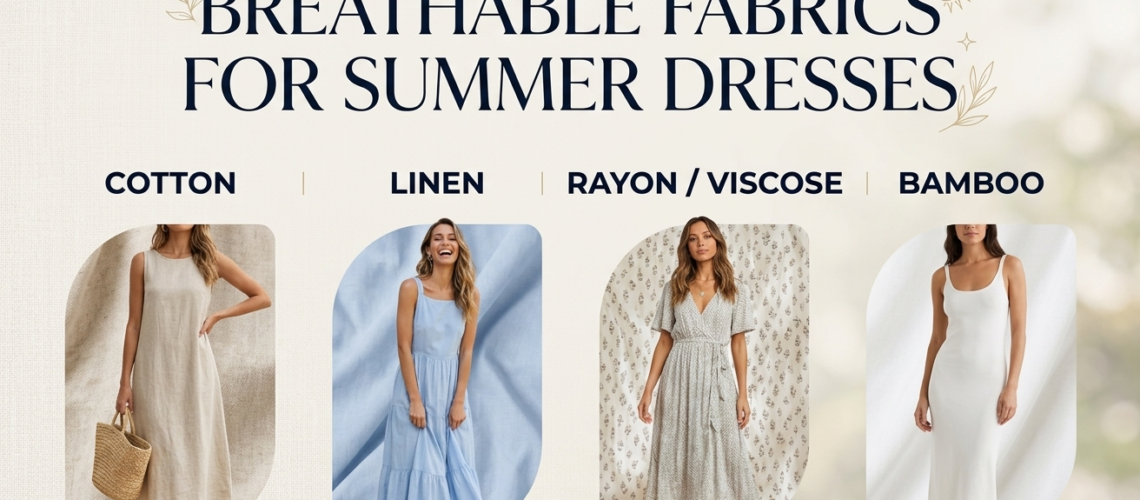
Breathable Fabrics for Summer Dresses: Stay Cool and Chic
May 11, 2026
🌬️ Breathable Fabrics for Summer Dresses: Stay Cool and Chic🌬️
As the Indian summer of 2026 reaches its peak, the conversation in the fashion world has shifted from “what looks good” to “what feels cool.” With temperatures frequently crossing the 40°C mark in cities like Delhi, Mumbai, and Ahmedabad, your choice of fabric is no longer just a fashion statement—it’s a survival strategy. 🌞✨
In this definitive 3000-word guide, we are diving deep into the world of breathable fabrics for summer dresses. We’ll explore the science of cooling textiles, the latest 2026 trends in “Performance Naturalism,” and how to choose materials that make you look “super expensive” while keeping you sweat-free. Whether you are shopping for a flowy maxi, a sharp office kurti, or a breezy sundress, this guide is your roadmap to summer comfort. 👗🍃
🏛️ The Science of Summer: Why Breathability is Non-Negotiable
Before we list the fabrics, it’s important to understand what “breathability” actually means in a textile context. In 2026, textile engineers and fashion designers focus on three key performance metrics: Moisture Vapor Transmission, Air Permeability, and Thermal Conductivity.
🌬️ 1. Air Permeability: The “Wind” Factor
A breathable fabric has a porous structure that allows air to circulate freely.This airflow helps carry away the heat generated by your body.Natural fibers like cotton and linen have hollow or angular structures that act as tiny ventilation shafts for your skin.
Summer in India isn’t just about heat; it’s about humidity.A great summer fabric must absorb sweat and move it to the outer surface of the garment where it can evaporate.This “wicking” action provides a natural cooling effect through evaporation.
🛡️ 3. Thermal Conductivity: The “Shield” Factor
Certain fabrics have high thermal conductivity, meaning they allow heat to pass through them rather than trapping it against your skin. Synthetic fabrics like polyester act like plastic wrap, trapping heat and moisture, which leads to rashes and discomfort.
📊 Comparison Table: Which Fabric Should You Choose?
🧵 The “Big Three” of Summer 2026: Cotton, Linen, and Rayon
While there are dozens of niche fabrics, these three remain the undisputed champions of the Indian summer. Let’s break down their pros, cons, and 2026 styling trends.
☁️ 1. Pure Cotton: The Timeless Foundation
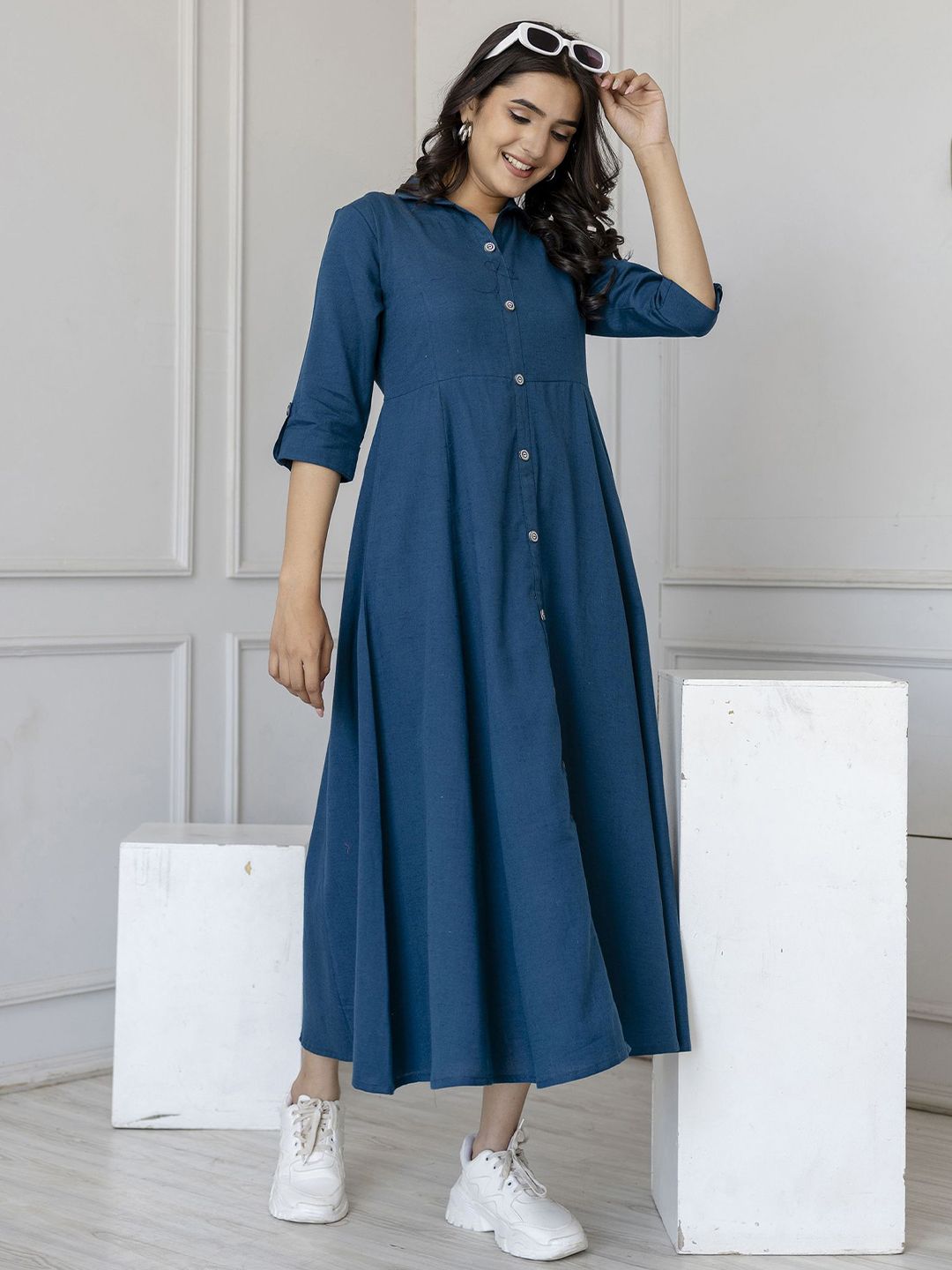
Cotton continues to dominate the 2026 summer collections. It is hypoallergenic, incredibly soft, and can absorb up to 27 times its own weight in water.
Latest 2026 Trend:“Cotton Slub” and “Organic Mulmul.” Slub cotton provides a beautiful, irregular texture that looks artisanal and premium, while Mulmul (Muslin) is so lightweight it feels like a second skin.
Best For: Everyday office wear, casual midi dresses, and kids’ summer clothing.
Pro Tip: Look for “Combed Cotton”—it’s smoother, stronger, and less prone to pilling, giving it that “expensive” finish.
🌾 2. Linen: The “Quiet Luxury” Icon
If cotton is the king, linen is the queen of luxury. Derived from the flax plant, linen is even more breathable and durable than cotton.
Latest 2026 Trend:“Linen-Silk Blends.” While pure linen is famous for its “noble wrinkles,” the 2026 trend involves blending it with a touch of silk to add a subtle sheen and reduce the harshness of the creases.
Best For: Resort wear, high-end maxi dresses, and semi-formal summer events.
Performance: Linen dries much faster than cotton, making it the superior choice for high-humidity coastal regions like Goa or Kerala.
✨ 3. Rayon & Viscose: The Fluid Fashionista
Rayon is a semi-synthetic fiber made from wood pulp. It is loved for its silky feel and incredible “drape”—the way it flows around your body without clinging.
Latest 2026 Trend:“Sustainable Viscose (Livaeco).” Modern consumers are opting for eco-friendly versions of rayon that use less water and provide a “cooling touch” finish.
Best For: Flowy maxi dresses, brunch outfits, and flared palazzos.
Note: Rayon is delicate when wet, so avoid vigorous scrubbing during laundry!
🌿 Sustainable Innovations: Bamboo, Hemp, and Tencel
In 2026, “Green is the New Black.” Eco-conscious fabrics are no longer a niche; they are a mainstream movement in Indian fashion.
🎋 Bamboo Fabric
Bamboo is naturally antibacterial and odor-resistant. It has a natural “cool-to-the-touch” feel that is even more pronounced than cotton.
Vibe: Extremely soft, similar to silk but with the breathability of cotton.
⚓ Hemp: The Durability King
Hemp is three times stronger than cotton and becomes softer with every wash. In 2026, designers are using “Hemp-Cotton” blends to create structured summer dresses that don’t lose their shape.
🌲 Tencel (Lyocell)
Made from eucalyptus trees, Tencel is the “superstar” of 2026 sustainability. It manages moisture significantly better than cotton and has a smooth, premium surface that looks incredibly high-end.
🎨 2026 Color Psychology: Light Colors vs. Heat
The color of your dress isn’t just about aesthetics; it’s a functional choice.
Reflective Tones: Whites, creams, and light pastels (Mint, Peach, Powder Blue) reflect the sun’s rays. In 2026, the “Vanilla Girl” aesthetic—all-white or all-beige outfits—is the ultimate way to signal both luxury and summer-readiness.
The Myth of Black: While black absorbs heat, if the fabric is extremely loose and breathable (like a loose-weave linen), it can actually create a “chimney effect” that pulls heat away from the body. However, for most, light colors remain the safer bet.
👗 Silhouette Matters: Design Features That Enhance Airflow
A breathable fabric can only do so much if the design of the dress is too tight. 2026 silhouettes are all about “Air Volume.”
🦋 1. The Oversized “Anti-Fit” Dress
Loose, voluminous dresses that don’t touch the skin are trending. This creates a pocket of air between the fabric and your body, acting as a personal insulation layer.
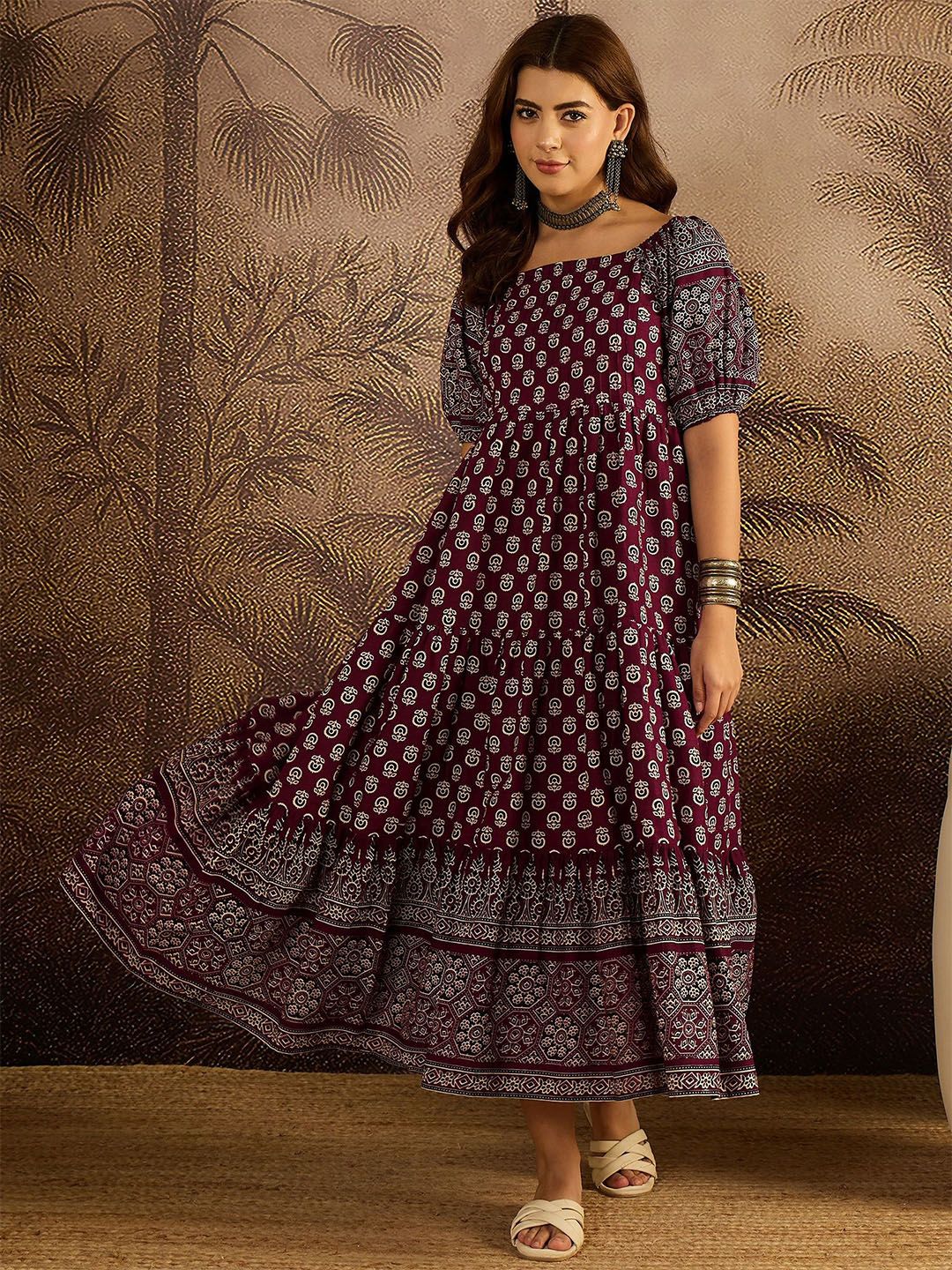
🌬️ 2. Tiered Maxi Dresses
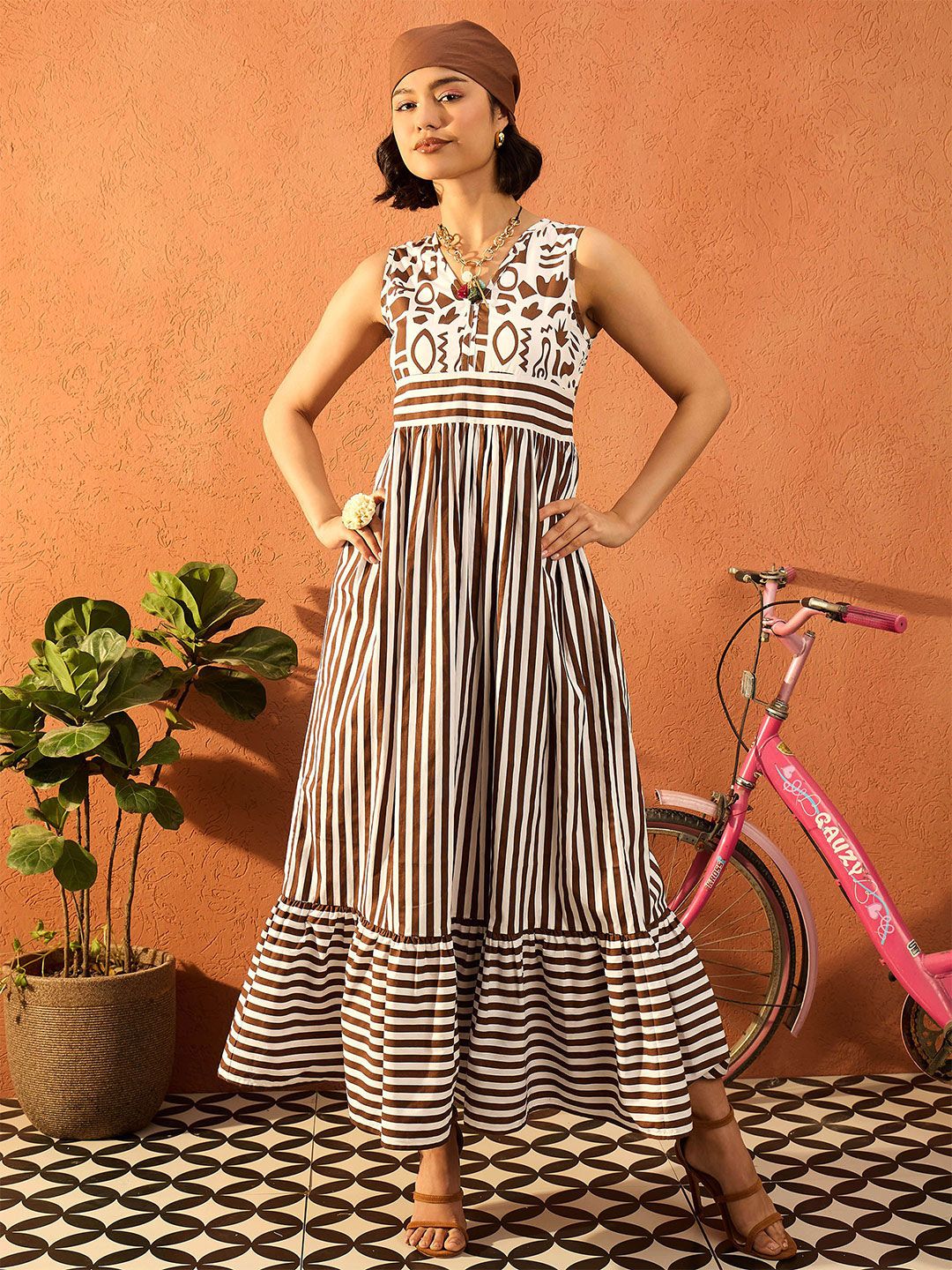
Tiers add movement and weight to the bottom of the dress, which helps the fabric “flick” and circulate air as you walk.
🪡 3. Laser-Cut & Eyelet Details
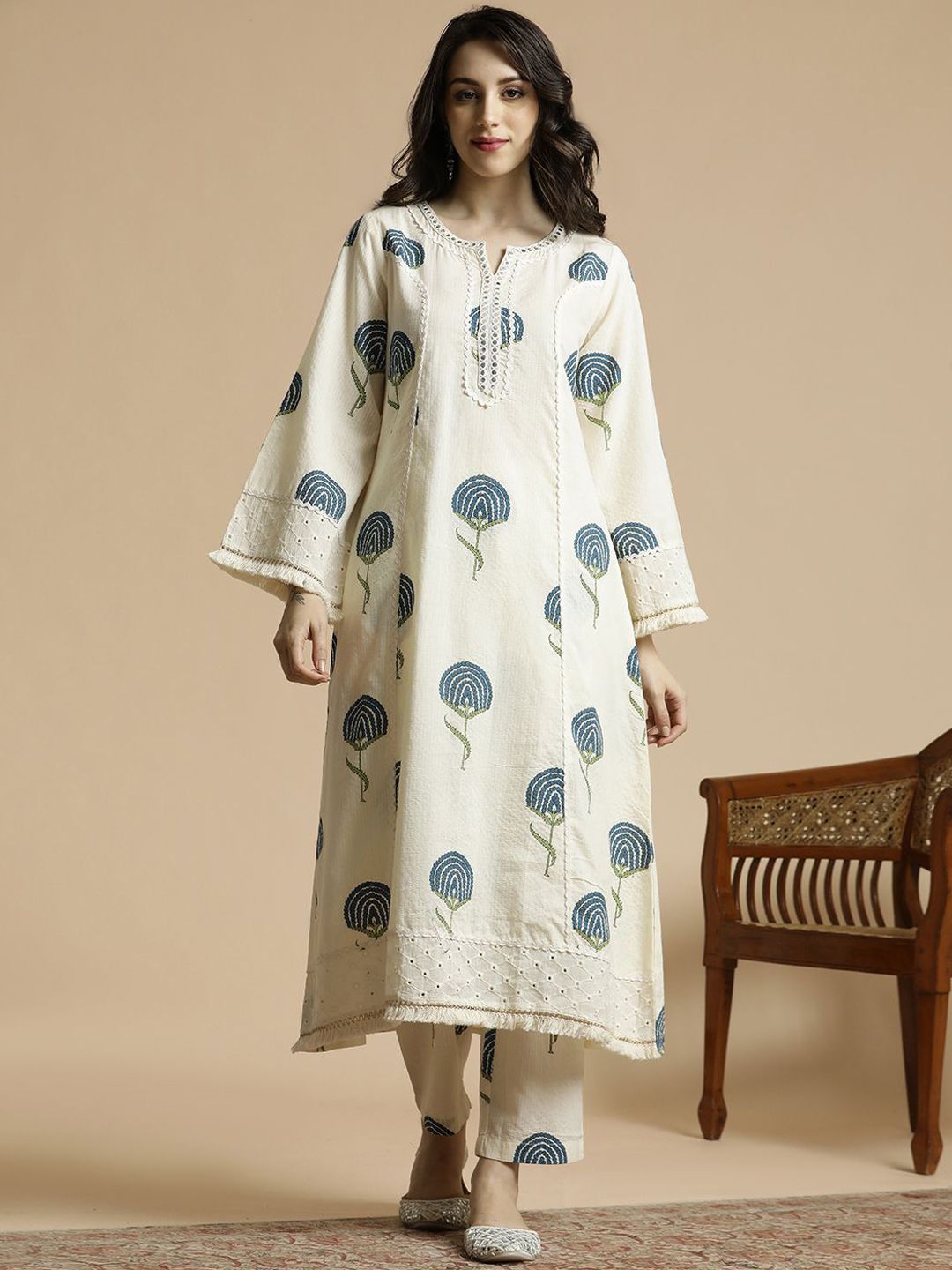
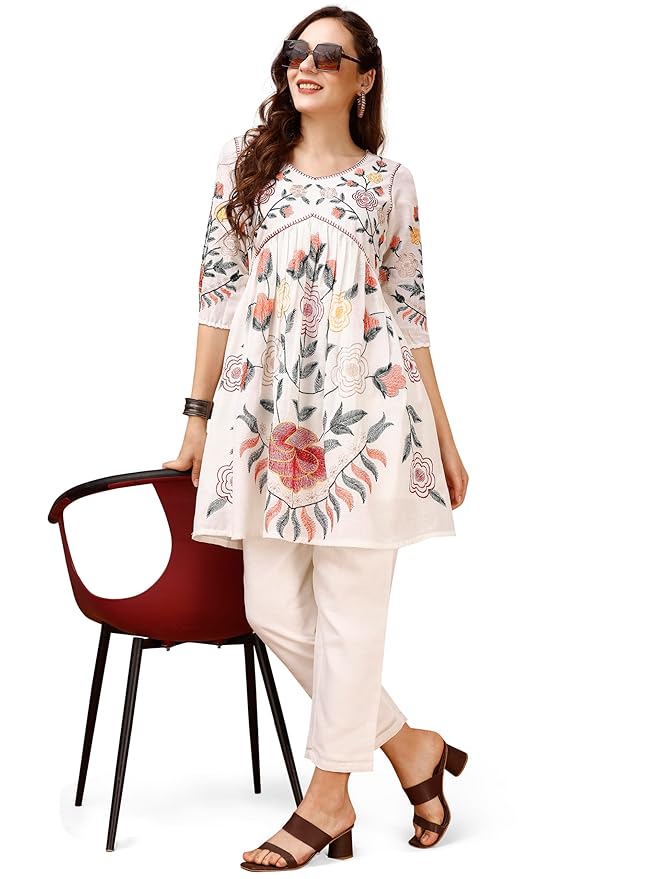
“Schiffli” embroidery and “Chikankari” are not just beautiful; the tiny holes in the embroidery act as functional vents, significantly increasing the breathability of the garment.
🧼 Caring for Your Summer Wardrobe: The 2026 Guide
To ensure your breathable dresses last through many summers, follow these “Pro-Care” steps:
🌡️ Cool Water Only: Heat can break down natural fibers and cause shrinkage. Always wash your summer cottons and linens in cold water.
🧼 Liquid over Powder: Powder detergents can sometimes get trapped in the loose weaves of linen or cotton, reducing their breathability. Use a gentle liquid detergent.
🌬️ Shade Drying is Key: The Indian sun is harsh enough to bleach your clothes in hours. Dry your light-colored dresses in a well-ventilated, shaded area.
💨 Steam over Iron: For delicate fabrics like rayon or Tencel, use a steamer. It relaxes the fibers without the risk of scorching them with a hot iron.
🌟 Conclusion: Investing in Your Summer Comfort
Fashion in 2026 is no longer about suffering for style. By choosing breathable fabrics like Pure Cotton, Linen, or Sustainable Tencel, you are choosing to prioritize your well-being. A well-chosen light-colored maxi dress isn’t just an outfit—it’s a sanctuary that keeps you cool, confident, and chic throughout the long Indian summer. 🌸🍃
Ready to upgrade your summer wardrobe? Look for the “Pure Cotton” or “Linen-Rich” labels and embrace the breeze! 🛍️✨
🤔 Frequently Asked Questions (FAQs)
Q1: Which fabric is best for extreme humidity?
Linen and Pure Cotton are the champions of high humidity. Linen, in particular, is highly absorbent and dries much faster than cotton, preventing the fabric from sticking to your skin when you sweat.
Q2: Does 100% Cotton shrink in the wash?
Yes, pure cotton has a tendency to shrink if washed in hot water or dried in a high-heat tumble dryer. To keep your summer dresses in perfect shape, always wash them in cold water and let them air dry in the shade.
Q3: Is Rayon as breathable as Cotton?
Rayon is a semi-synthetic fiber that feels very cool and silky against the skin, making it great for dry heat. However, it is not as effective as cotton at moisture-wicking in very humid conditions. For the best of both worlds, look for a Cotton-Rayon blend.
Q4: Why are light colors recommended for summer fabrics?
Light colors like white, beige, and pastels reflect solar radiation (sunlight), whereas dark colors absorb it and turn it into heat. Wearing light-colored breathable fabrics can actually keep your body temperature lower.
Q5: Is Linen difficult to maintain because it wrinkles?
While linen does wrinkle easily, in 2026, those “noble wrinkles” are considered a sign of high-quality, authentic fabric (part of the Quiet Luxury aesthetic). If you prefer a smoother look, opt for a Linen-Viscose blend, which offers the breathability of linen with fewer creases.
Q6: How can I tell if a dress is made of breathable fabric while shopping online?
Always check the “Material & Care” section. Look for words like 100% Cotton, Organic Linen, Mulberry Silk, or Tencel. Avoid dresses where the primary material is Polyester, Nylon, or Acrylic, as these trap heat.
Q7: Is Bamboo fabric actually better for the environment?
Yes! Bamboo grows rapidly without the need for pesticides and requires very little water. As a fabric, it is naturally antibacterial and hypoallergenic, making it a fantastic choice for people with sensitive skin during the sweaty summer months.


 Click For Best Affordable Mother’s Day Gifts